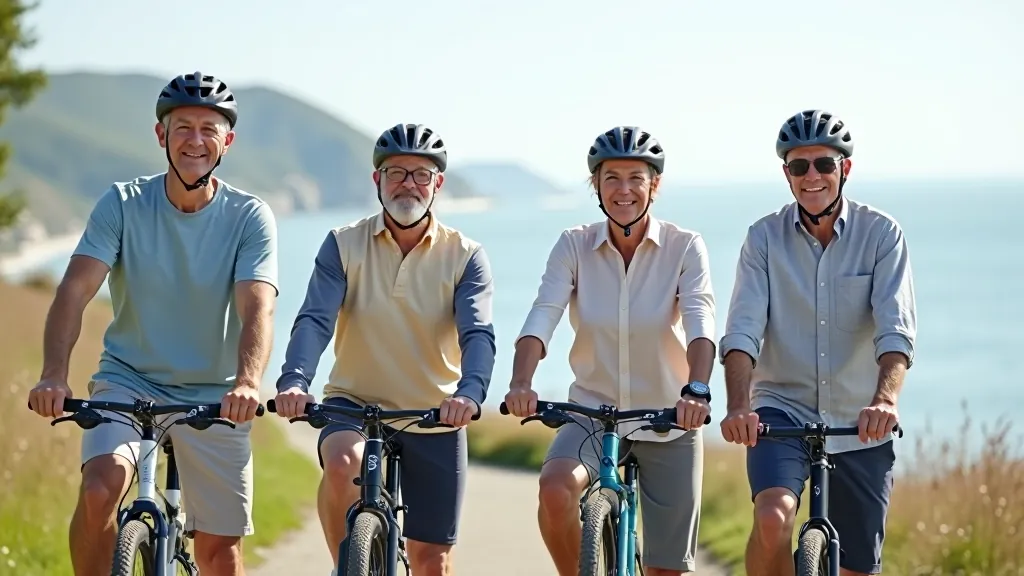
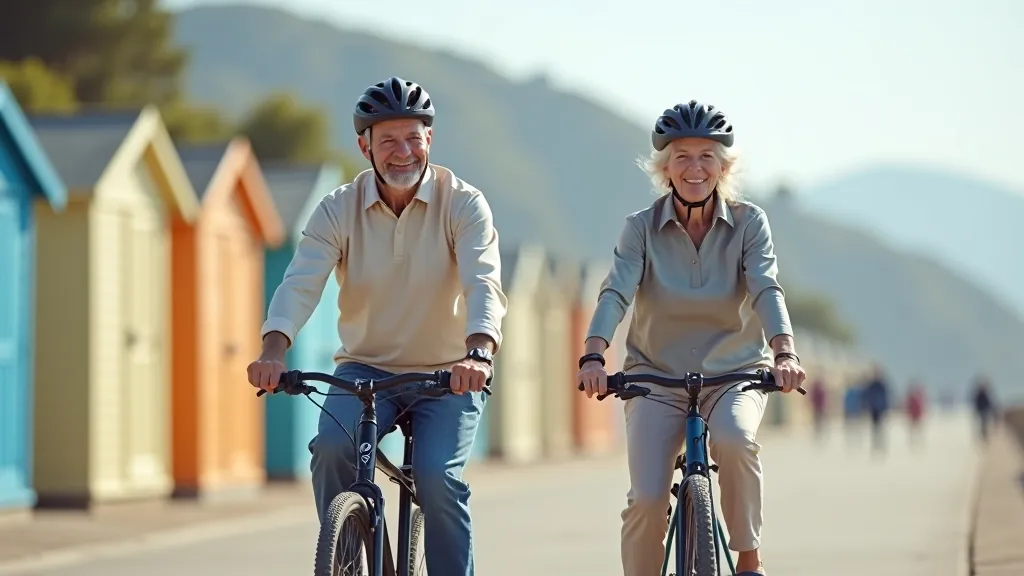
Why Pāvilosta's Coastal Paths Are Perfect for Seniors
Flat terrain, scenic views, and safe cycling conditions make this Latvian location ideal for older riders building confidence and enjoying the outdoors.
Low-impact training that strengthens your legs without putting strain on joints. Perfect for starting your cycling journey at home or the gym.
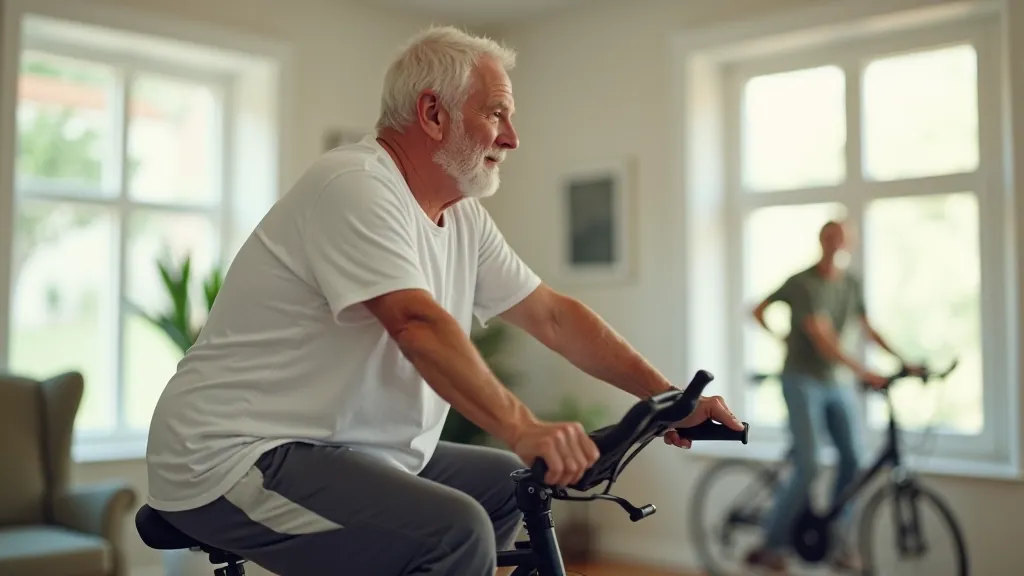
You don't need a gym membership or perfect weather to build real fitness. A stationary bike is honest — it shows you exactly what you're capable of, and it doesn't judge. Whether you're recovering from an injury, starting fresh, or just looking for something that doesn't hurt your knees, indoor cycling delivers results without the impact of running.
The beauty here is that you're in control. You set the resistance, you control the pace, and you can stop whenever you need to. That's something you won't get on a road.
Your joints stay protected while your cardiovascular system gets stronger.
Rain or shine, early morning or late evening — your bike is always ready.
Track resistance levels, duration, and distance. You'll see improvement in real numbers.
Your body needs to adjust. Don't rush into high resistance or long sessions. The first week is about finding your baseline and getting comfortable on the seat — which, honestly, takes a few days.
Start with 20-30 minutes at low resistance. You should be able to hold a conversation. If you can't, you're pushing too hard. Do this 3-4 times that first week with rest days in between. Your legs will feel it, especially in the quads and glutes, and that's exactly what you want.
The seat matters more than you'd think. If it's uncomfortable, adjust the height so your knee is slightly bent at the bottom of the pedal stroke. A good position prevents knee pain and lets you ride longer without discomfort.
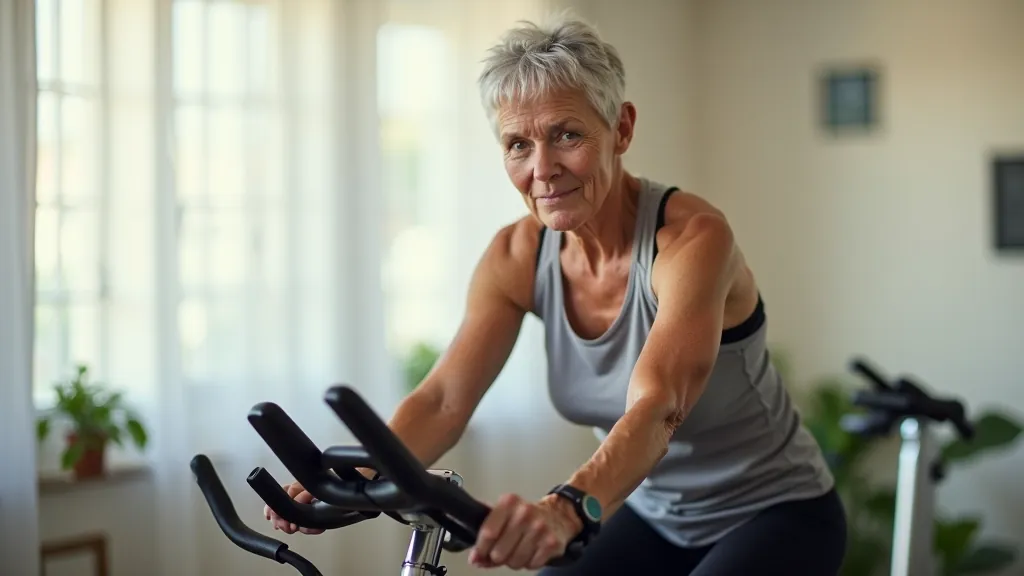
By week two, your body's adapted and you're ready to increase slightly. This is where consistency matters. You're not chasing speed or distance yet — you're building the habit.
Gradually increase to 35-40 minutes per session, still at a conversational pace. Add one more session if you can, aiming for 4-5 days per week. Your legs will feel stronger now, and you'll notice the seat's less painful. That's progress.
Try varying your resistance slightly within a session. Warm up for 5 minutes at easy resistance, spend 20 minutes at moderate resistance, then finish with 5-10 minutes where you increase resistance and lower your cadence. This builds strength in your legs without requiring intense effort.
Once you've built your base, you've got options. You don't need to complicate things, but you can add structure. Most people benefit from mixing different types of sessions:
Your legs adapt quickly to the same stimulus. Varying intensity keeps things interesting and prevents plateaus. After 8-12 weeks of consistent training, you'll notice your cardiovascular fitness improves noticeably. You'll climb stairs easier. Walking becomes less tiring. That's what builds confidence.
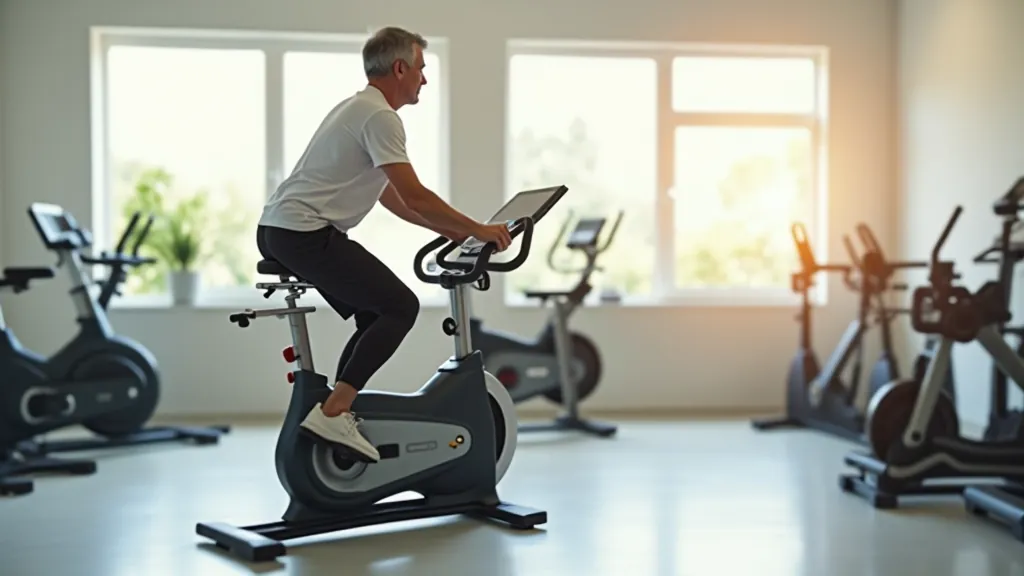
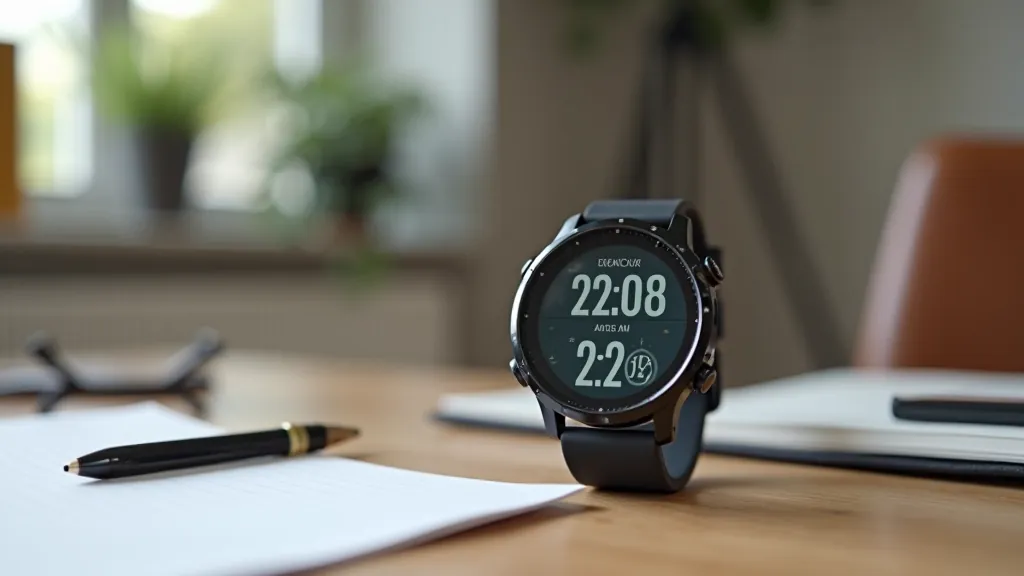
You don't need fancy equipment to track progress. Most stationary bikes display distance, time, and resistance level. That's enough. Write it down or take a photo. Over 4-6 weeks, you'll see patterns — maybe you're covering more distance in the same time, or maintaining higher resistance longer.
Heart rate is useful too, if your bike shows it. Aim to stay in a zone where your breathing is elevated but controlled. If you've got a smartwatch, even better, but it's not essential. The real metric is how you feel: stronger legs, better breathing, more energy throughout the day.
Common improvements within 12 weeks: You'll likely increase your average session length by 50-100%, boost your resistance capacity significantly, and feel less winded doing daily activities.
Keep water within arm's reach. You'll sweat more than you expect, especially once you're warmed up. Sip regularly, don't guzzle.
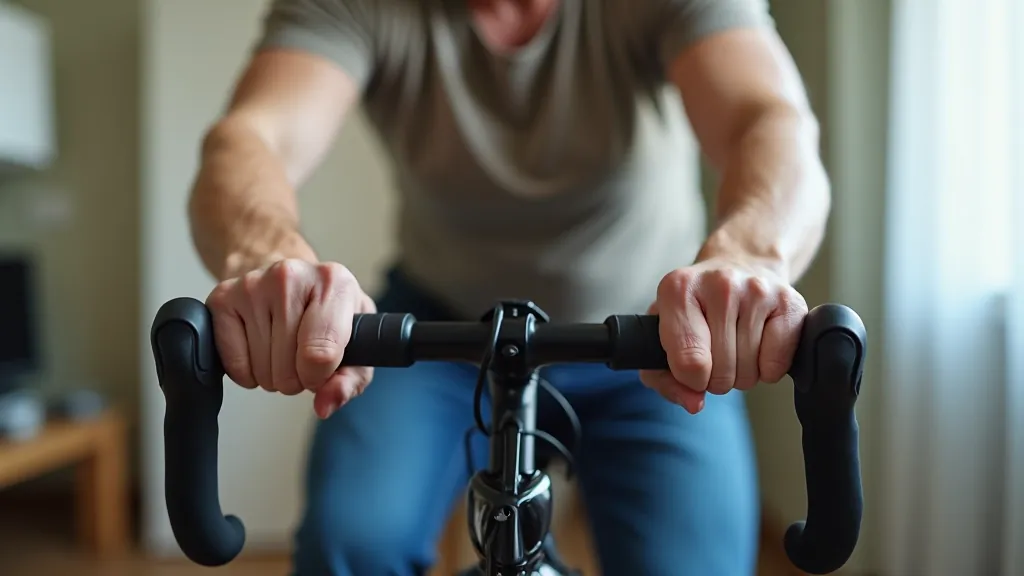
Shoulders relaxed, core engaged lightly, hands light on the bars. Tension in your upper body wastes energy that should go to your legs.
Aim for 80-100 pedal revolutions per minute. Too slow feels sluggish; too fast wastes energy. Most bikes show cadence if you look.
Your body builds strength during rest, not during the workout. Take at least 1-2 days off weekly. Walk gently if you need movement.
Muscle soreness is normal. Sharp knee or lower back pain isn't. If something hurts in a bad way, stop and check your bike setup.
Music, podcasts, or a favorite show makes the time pass. You're more likely to stick with training when it doesn't feel like a chore.
You won't transform overnight. That's not how fitness works, and anyone telling you otherwise is selling something. But what you will notice is subtle at first — stairs feel easier, you have more energy, your legs feel stronger. After a few months, the changes become obvious. Your cardiovascular system works more efficiently. Your leg strength improves noticeably. Daily tasks require less effort.
The stationary bike is one of the most accessible ways to build this fitness. It's forgiving on your joints, consistent regardless of weather, and you can do it whenever fits your schedule. Start small, stay consistent, and you'll surprise yourself with what your body can do. That's not motivation-speak — that's just how training works.
If you're thinking about trying this, start this week. Pick three days, commit to 30 minutes each, and see how you feel after two weeks. The hardest part is beginning. Everything else is just showing up.
This article is educational and informational in nature. It's not medical advice, and it's not a replacement for professional guidance. If you have existing health conditions, joint problems, or haven't exercised in a long time, talk with your doctor or a physical therapist before starting a new training program. Everyone's body is different, and what works for one person might not work for another. Listen to your body, respect its signals, and adjust your training accordingly.