
Choosing the Right Bike for Comfortable Riding
Seat comfort, frame height, and handlebar position matter. We break down what makes a bike genuinely comfortable for leisure cycling.

Finding the right bike isn't complicated — but it does matter. A lot. You're not buying a mountain racer or a track bike. You're looking for something that fits your body, feels natural under you, and doesn't leave you sore after a pleasant ride along Pāvilosta's coastal paths or through your neighborhood.
We've worked with hundreds of cyclists over the years, and the pattern's always the same. People pick bikes based on color or price or what their friend has. Then they struggle. Their back hurts. Their wrists ache. Their knees complain. None of that has to happen.
The Seat: Your Most Important Contact Point
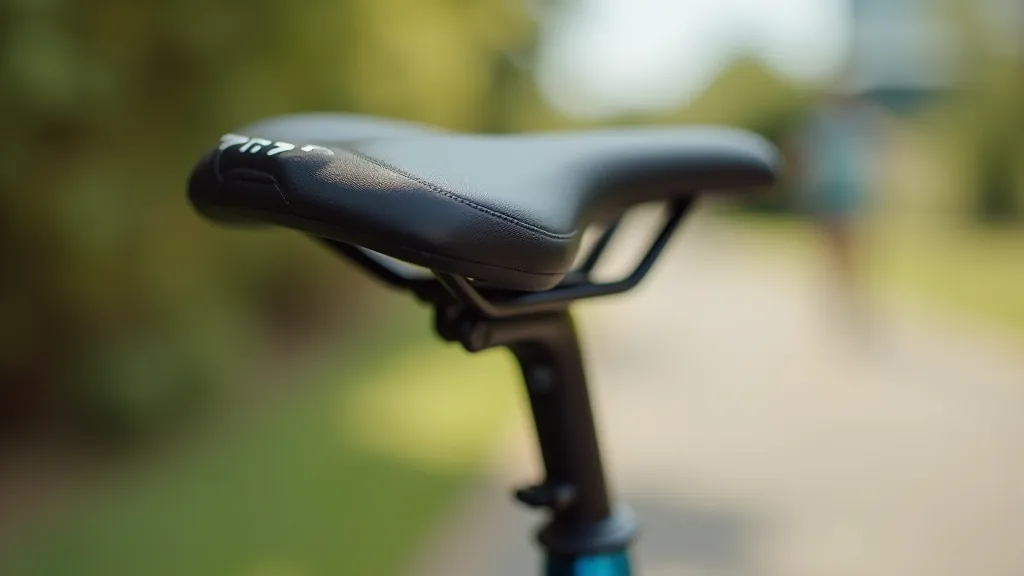
Let's start here because it's the most critical element. Your seat is where you're making contact with the bike for the entire ride. A poor seat will ruin everything else.
You don't need an expensive racing saddle. Actually, you probably want the opposite. Look for something wider, with padding that doesn't compress too much. The seat should support your sit bones — not your entire backside. A good test: you should be able to move around slightly on the seat without sliding forward.
Most bikes come with basic seats that work fine, but if yours doesn't feel right after a week, it's worth upgrading. A decent comfort seat costs between 40-80 euros and makes an enormous difference.
Frame Size: Getting the Basics Right

There's a simple test. Stand over the frame with both feet flat on the ground. You should have about 5-8 centimeters of clearance between your body and the frame. Not more, not less. That's your starting point.
Most manufacturers list sizes by height range (small for 150-165cm, medium for 165-180cm, etc.). They're usually accurate. But don't buy online without checking dimensions — inseam length matters more than height.
A frame that's too large means you're stretched out, which creates lower back strain. Too small and you're hunched, which compresses your chest and shoulders. Right-sized feels natural. You're not reaching. You're not scrunched.
The Three Key Measurements
- Seat Height: When pedaling, your leg should be almost straight at the bottom of the pedal stroke — slight bend in the knee. Not locked, not deeply bent.
- Handlebar Reach: Your arms should have a slight bend when gripping. Not stretched. Not compressed. You shouldn't feel weight pressing on your wrists.
- Frame Clearance: 5-8cm standover clearance. This is safety. It's comfort. It's everything.
Handlebars: Reducing Wrist and Shoulder Strain
Wrist pain is incredibly common among cyclists who haven't set up their bike correctly. It usually comes from one thing: handlebars positioned too low or too far forward.
For comfort riding, you want upright handlebars. Not dropped bars. Not aggressive bars. Straight or slightly angled up. Your wrists should be neutral when gripping — not bent backward, not bent forward. Think of your hand position like you're holding a tray of drinks. Natural. Relaxed.
Many comfort bikes come with adjustable stems. If yours does, you can experiment without buying new parts. Start with the stem angled upward. See how it feels. Your shoulders will thank you.

Bike Type: What Actually Works for Leisure Riding
You've got three realistic options, and they're all fine choices depending on where you'll ride.
Cruiser Bikes
Upright position, wide tires, comfortable seat as standard. They're slow. They're heavy. They're perfect for flat terrain and casual riding. Pāvilosta's coastal paths? This is the bike.
Hybrid Bikes
Lighter than cruisers, more upright than road bikes. They handle pavement and light gravel. They're versatile. They're the compromise option — not perfect at anything but good at everything.
Electric Bikes (E-bikes)
Motor assistance means hills aren't scary and longer distances feel achievable. Yes, they're expensive. But if joint pain or general fitness limits you, an e-bike opens up possibilities that regular bikes don't.
The Test Ride: Don't Skip This
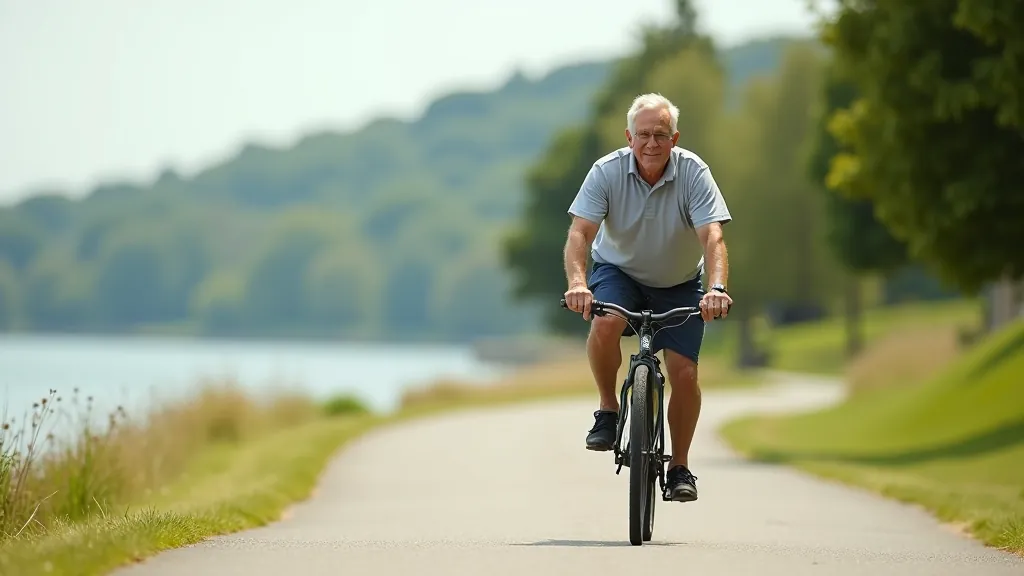
Never buy a bike without riding it first. Not online. Not from a catalog. Not based on reviews. Get on it. Ride it for at least 10 minutes on the kind of terrain you'll actually use it on.
Your body will tell you immediately what works. If your wrists hurt after five minutes, that's a signal. If your lower back feels tight, that's a signal. If it feels right — stable, natural, comfortable — you've found something close to correct.
Good bike shops will let you do test rides. Use that. Many also offer fitting services — they'll adjust your seat height, stem angle, and other factors while you ride. It costs 30-50 euros typically and saves you months of discomfort.
The Bottom Line
You don't need the lightest bike. You don't need the fanciest components. You need a bike that fits your body, puts you in an upright position, and has a seat designed for comfort instead of speed.
Take your time with the decision. Ride different bikes. Adjust things. Your future self — the one enjoying coastal rides without aching wrists or a sore back — will appreciate the effort.
Disclaimer: This article provides educational information about bicycle selection and comfort considerations. Individual comfort needs vary based on body mechanics, previous injuries, and personal preferences. If you experience persistent pain while cycling, consult a healthcare provider or professional bike fitter. This content is informational and not a substitute for professional medical or fitting advice.