
Health Benefits That Actually Happen When You Cycle
Heart health, joint strength, balance, and mental wellness improve with regular cycling. Here's what research actually shows for older adults.
Why Cycling Changes Things for Older Adults
Cycling isn't just a way to get around — it's one of the most effective activities for maintaining health as you age. Unlike high-impact exercises that stress your joints, cycling gives you serious fitness gains without the wear and tear. We're talking real improvements in heart strength, leg power, balance, and even mood.
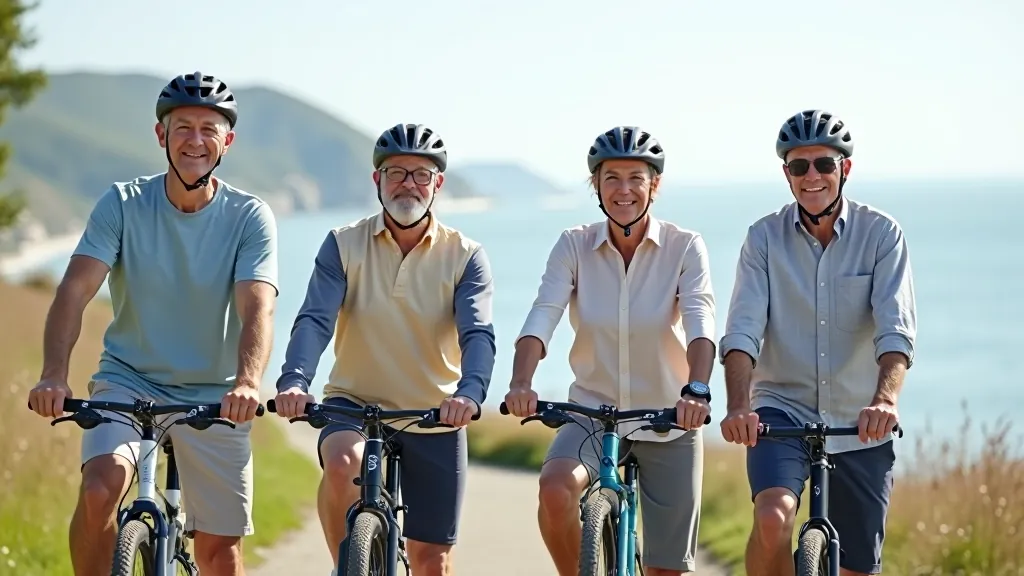
The science backs this up. Studies from major medical institutions show that regular cyclists in their 60s, 70s, and 80s have cardiovascular fitness levels comparable to people 20-30 years younger. You don't need to train hard or ride far — consistent, moderate cycling is what makes the difference.
The Core Benefits
- Stronger heart and lungs
- Better knee and hip function
- Improved balance and stability
- Sharper mental focus
- Better sleep quality
Your Heart Gets Noticeably Stronger
This is where cycling really shines. Cycling is aerobic exercise — it raises your heart rate steadily and keeps it elevated. When you do this regularly, your heart becomes more efficient at pumping blood, your resting heart rate drops, and your blood pressure improves.
Most people see measurable improvements in 8-12 weeks of regular cycling. Your heart doesn't have to work as hard for everyday activities. That means walking up stairs, carrying groceries, playing with grandchildren — all feel easier. Your oxygen circulation improves too, so you have more energy throughout the day.
Plus, cycling helps manage cholesterol levels naturally. It's the kind of exercise where you're working hard enough to get real benefits, but not so intense that you're stressed or dreading it. You can chat with a cycling partner and still be strengthening your cardiovascular system.

Stronger Legs Without Joint Damage
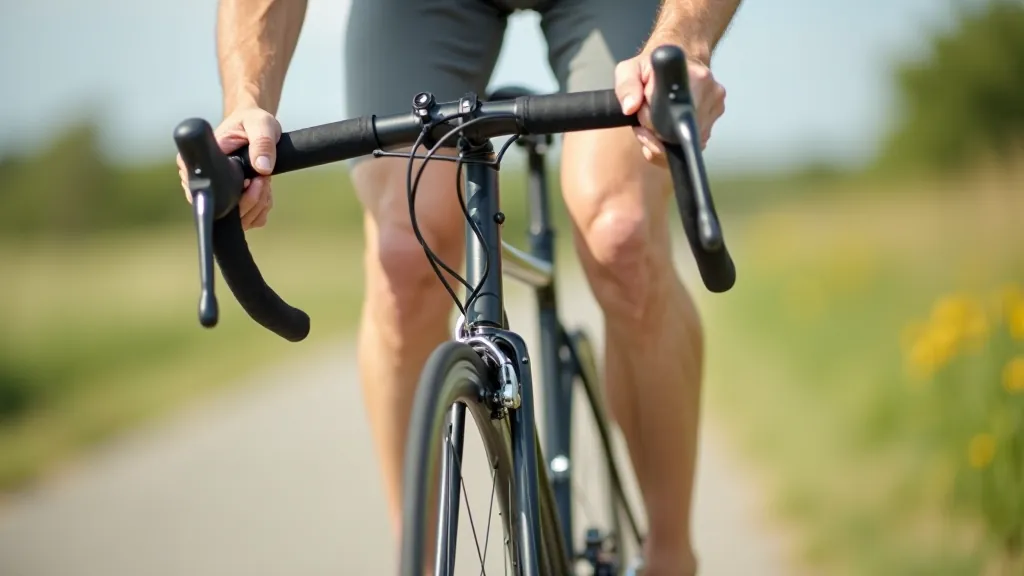
Here's the thing about cycling that makes it different from running or jumping: it's low-impact. Your knees and hips aren't absorbing shock. Instead, the pedaling motion actually strengthens the muscles around your joints, which gives them better support and stability.
The quadriceps (front thigh), hamstrings (back thigh), and glutes all get stronger. These muscles are crucial for everyday movement — standing up from a chair, climbing stairs, even just walking steadily. After 4-6 weeks of regular cycling, most people notice they have more leg strength and less joint discomfort.
If you've had knee pain or hip tightness, cycling often helps more than it hurts. The gentle, repetitive motion increases blood flow to the joint, keeps cartilage healthy, and the stronger muscles take pressure off the joint itself. Many people with mild arthritis find cycling is one of the few exercises they can do without pain.
Balance and Coordination Improve Over Time
Balance isn't something you think about while cycling, but it's one of the biggest benefits. Cycling requires constant micro-adjustments to stay upright — your core muscles, your leg stabilizers, your proprioception (body awareness) all get a workout. This translates directly to better balance in daily life.
Falls are a serious concern for older adults, and anything that improves balance reduces that risk. Research shows that cyclists have fewer falls and injuries than sedentary people. Your reflexes stay sharper, your core stays engaged, and your confidence in moving around increases.
You'll notice this in small ways. Walking feels steadier. You're less wobbly when you're on uneven surfaces. You don't need to hold onto railings as much. These aren't huge dramatic changes, but they add up to feeling safer and more independent.
Mental Health Improvements Are Just as Real as Physical Ones
Mood and Anxiety
Cycling releases endorphins — the brain chemicals that make you feel good. It's not placebo. Regular cyclists report feeling calmer, less anxious, and more positive. Many people find it's their best stress relief.
Sleep Quality
Physical activity during the day helps you sleep better at night. You fall asleep faster, sleep more deeply, and wake up less often. Most cyclists notice better sleep within the first couple of weeks.
Mental Sharpness
The increased blood flow to your brain while cycling improves focus and memory. You'll feel more alert, concentrate better, and cognitive decline slows down compared to sedentary aging.
What to Expect: A Realistic Timeline
1-2 weeks
You'll feel more energetic and sleep better. Small aches might decrease.
4-6 weeks
Noticeable leg strength gains. You can cycle longer without fatigue. Mood lifts noticeably.
8-12 weeks
Heart health improvements show up in measurable ways. Balance noticeably better. Resting heart rate drops.
6+ months
Significant cardiovascular improvements. Joint function markedly better. Overall fitness levels rival much younger people.
The Bottom Line
Cycling works. It's not a miracle cure or a magic solution, but it's one of the most effective ways to improve multiple aspects of health as you age. Your heart gets stronger, your legs get more powerful, your balance improves, your mental health brightens, and you feel more independent and capable.
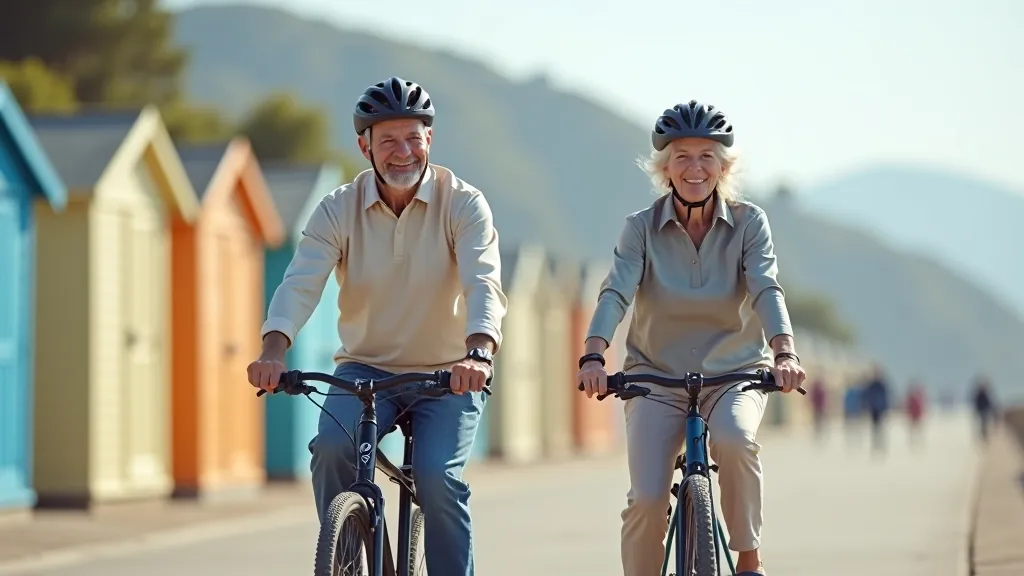
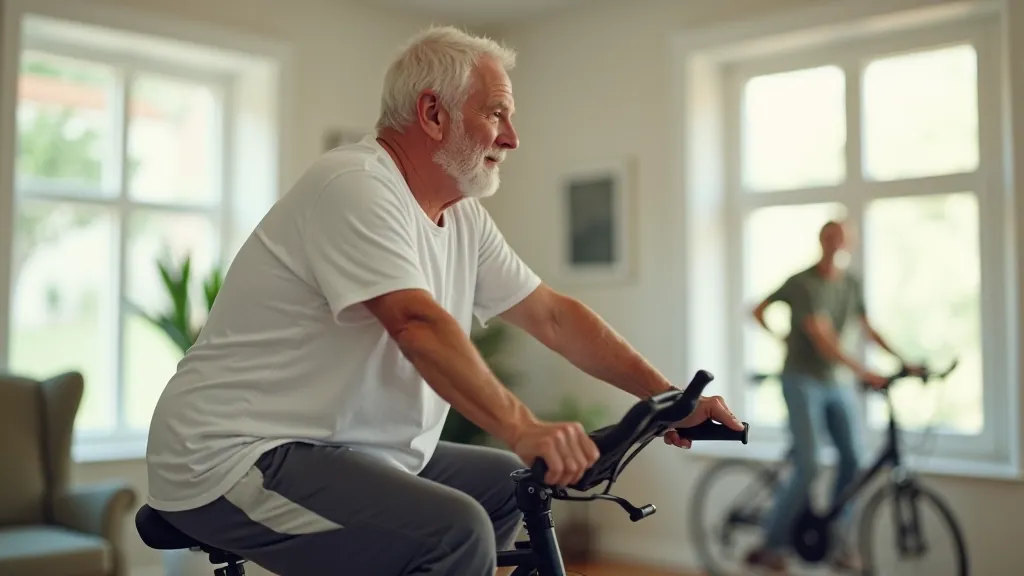
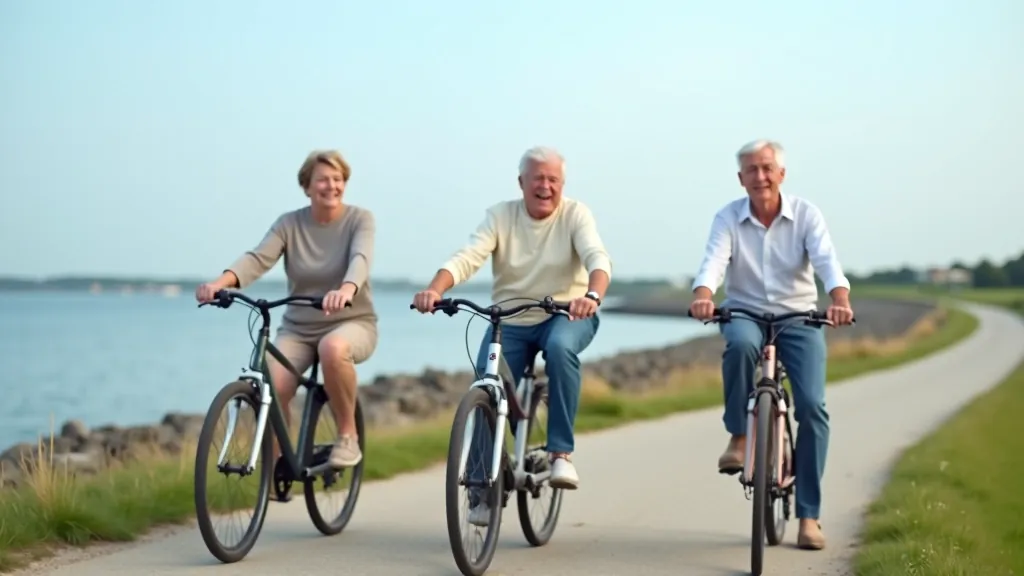
The best part? It doesn't require special equipment or expensive gyms. It's accessible, it's low-impact, and you can do it at your own pace. Whether you're cycling on flat coastal paths like those near Pāvilosta or on a stationary bike at home, the benefits are real and measurable.
Start where you are. Ride for 20-30 minutes a few times a week. Consistency matters more than intensity. Within weeks you'll feel the difference, and within months you'll have genuinely transformed your physical and mental health.
Important Note
The information in this article is for educational purposes and describes general health benefits associated with cycling. It's not medical advice, and individual results vary based on age, fitness level, and existing health conditions. If you have heart problems, joint issues, or other health concerns, talk with your doctor before starting a new cycling routine. They can give you guidance specific to your situation and help you cycle safely.